


Ladonia Fossil Park
Project Components


Reservoir

Roads & Bridges

Pipeline

Lake Visitor & Maintenance Buildings

Mitigation & Watershed Protection
Ladonia Fossil Park
Ladonia Fossil Park
Permanent Fossil Park Now Open
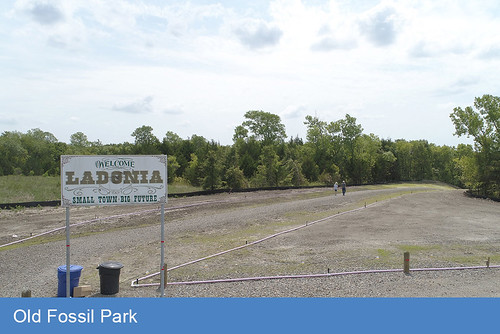
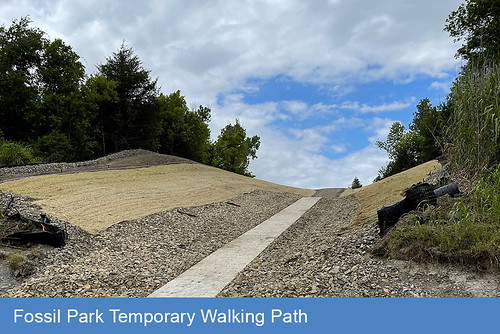
Upper Trinity recognizes that the Ladonia Fossil Park is one of Ladonia’s most popular and visited attractions. The District recently finished a new, improved fossil park in a permanent location on FM 904 downstream of the Leon Hurse Dam.
The new Ladonia Fossil Park is now open for fossil hunting between dawn and dusk, with a grand opening event planned for later this year. The permanent park offers improved amenities for local fossil hunters and visitors alike, including many of those that made the temporary site popular, as well as some new features, including:
- A larger parking lot
- Paved pathway and benches to the riverbed
- A covered pavilion with picnic tables
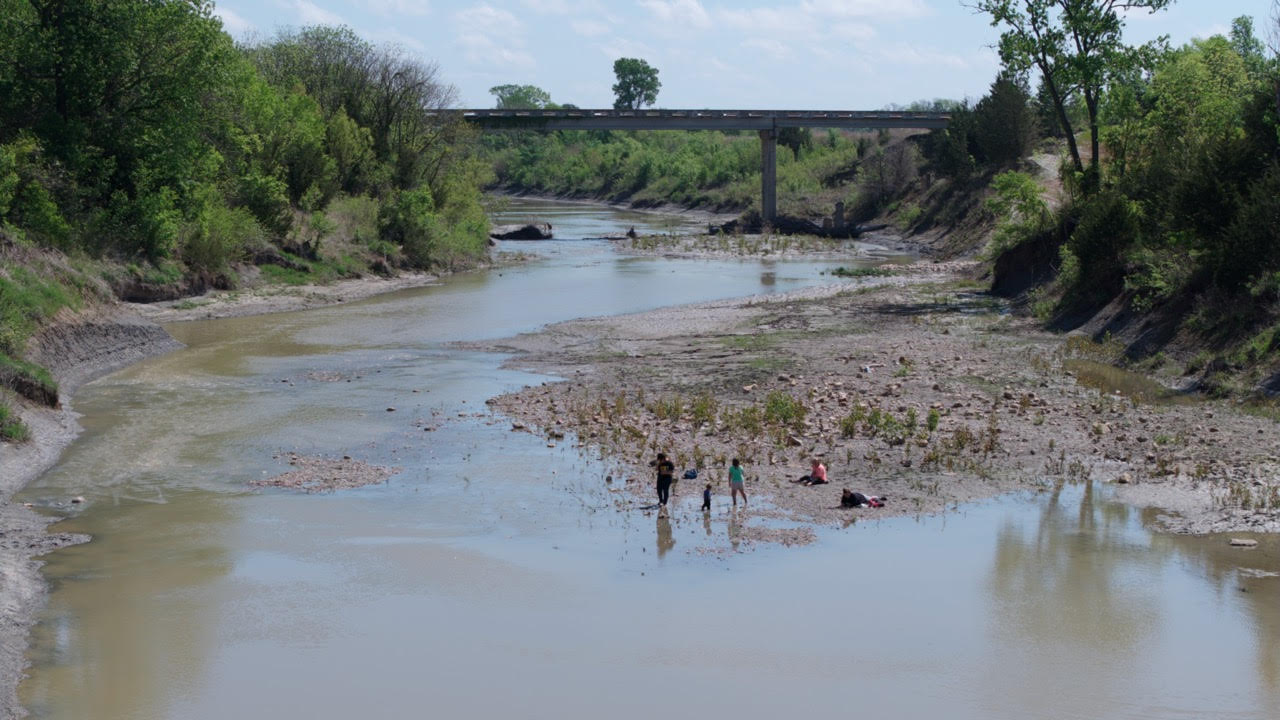
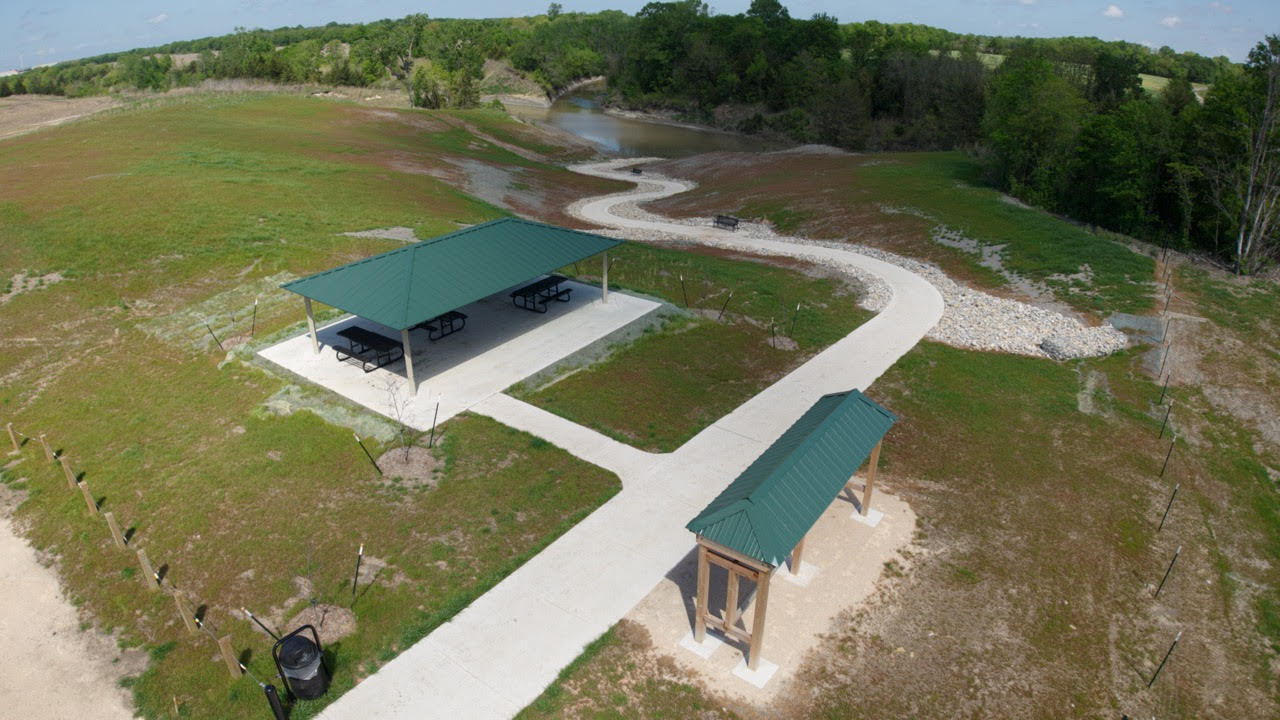
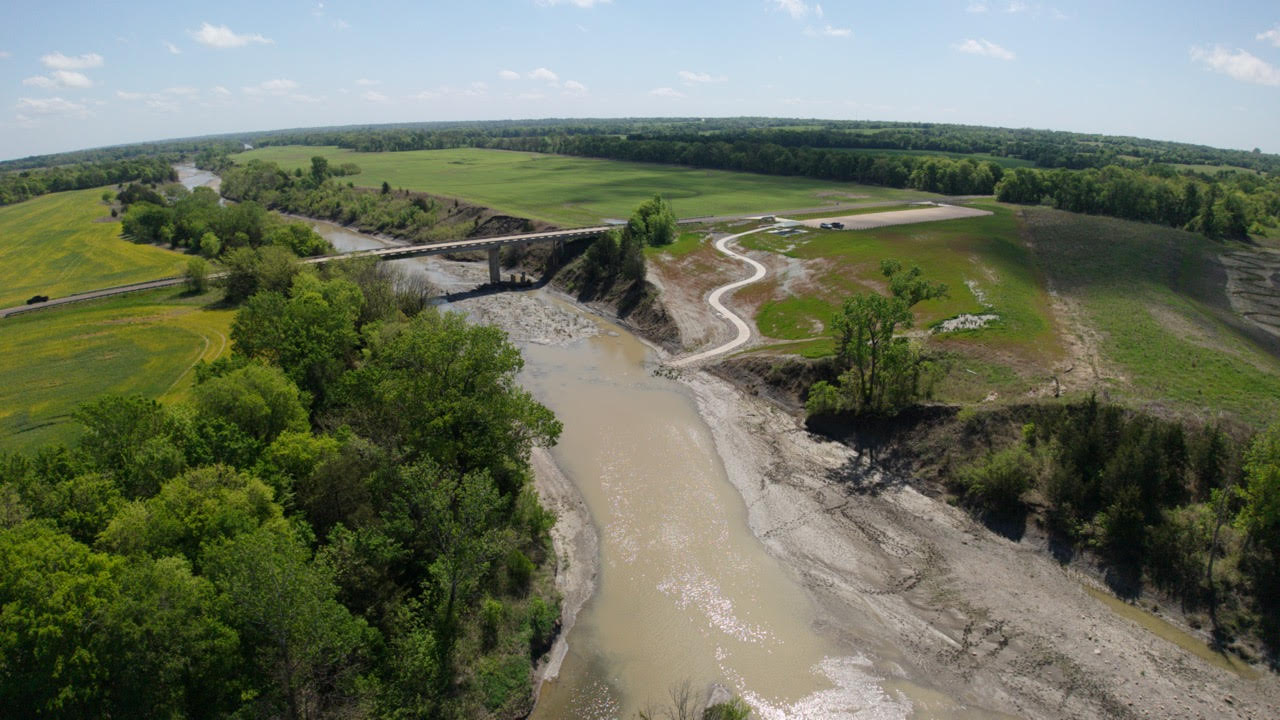
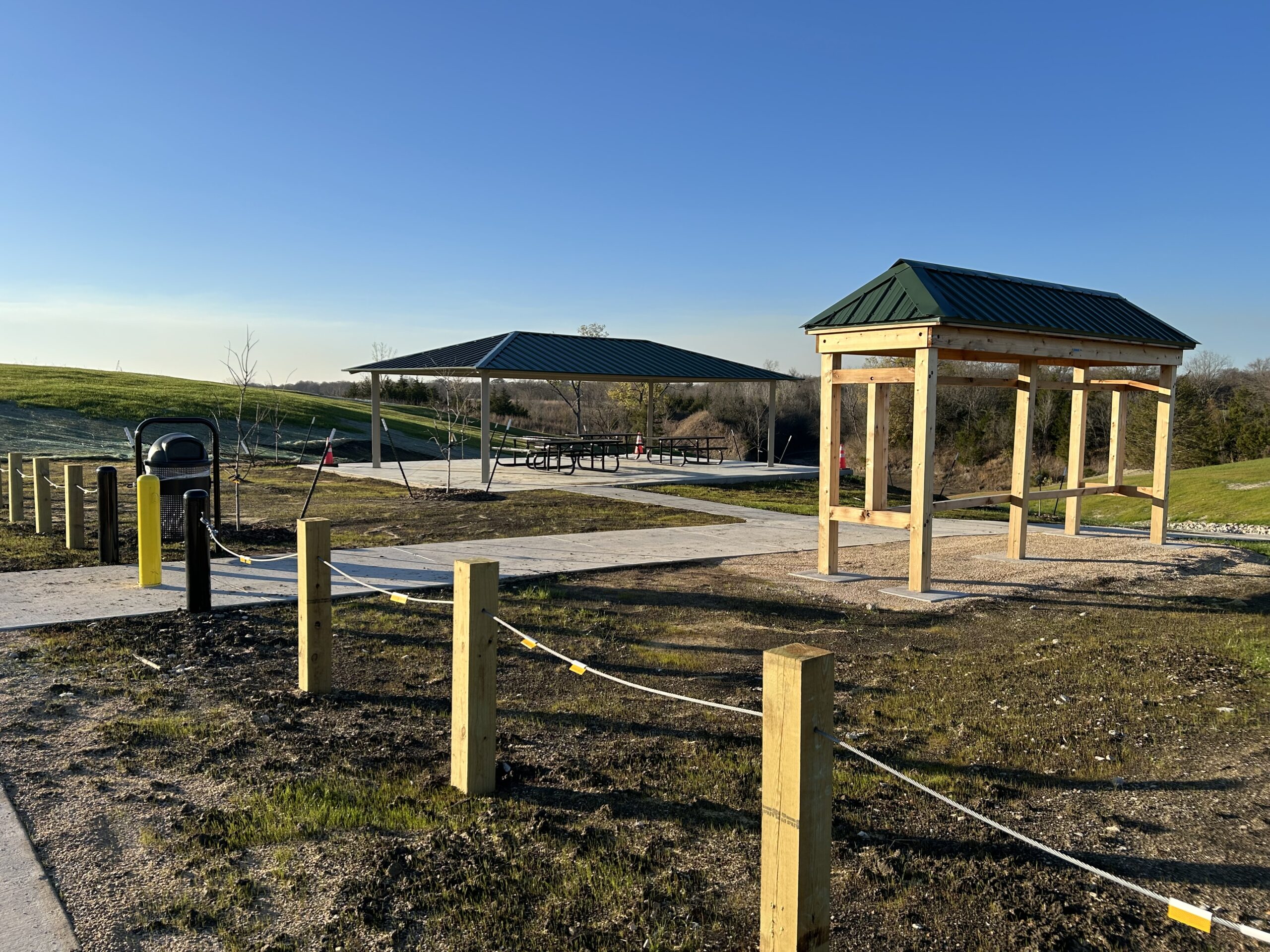
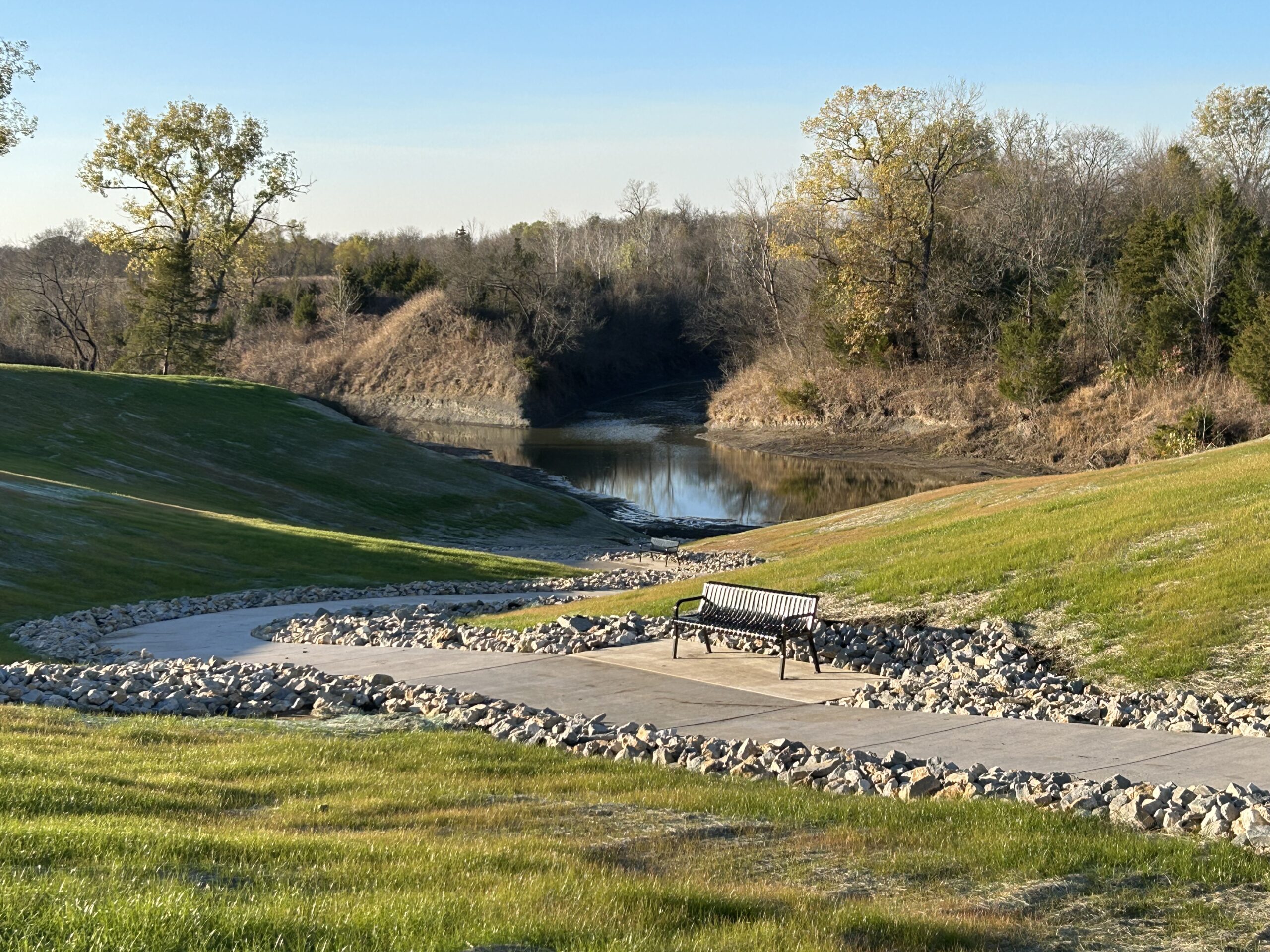
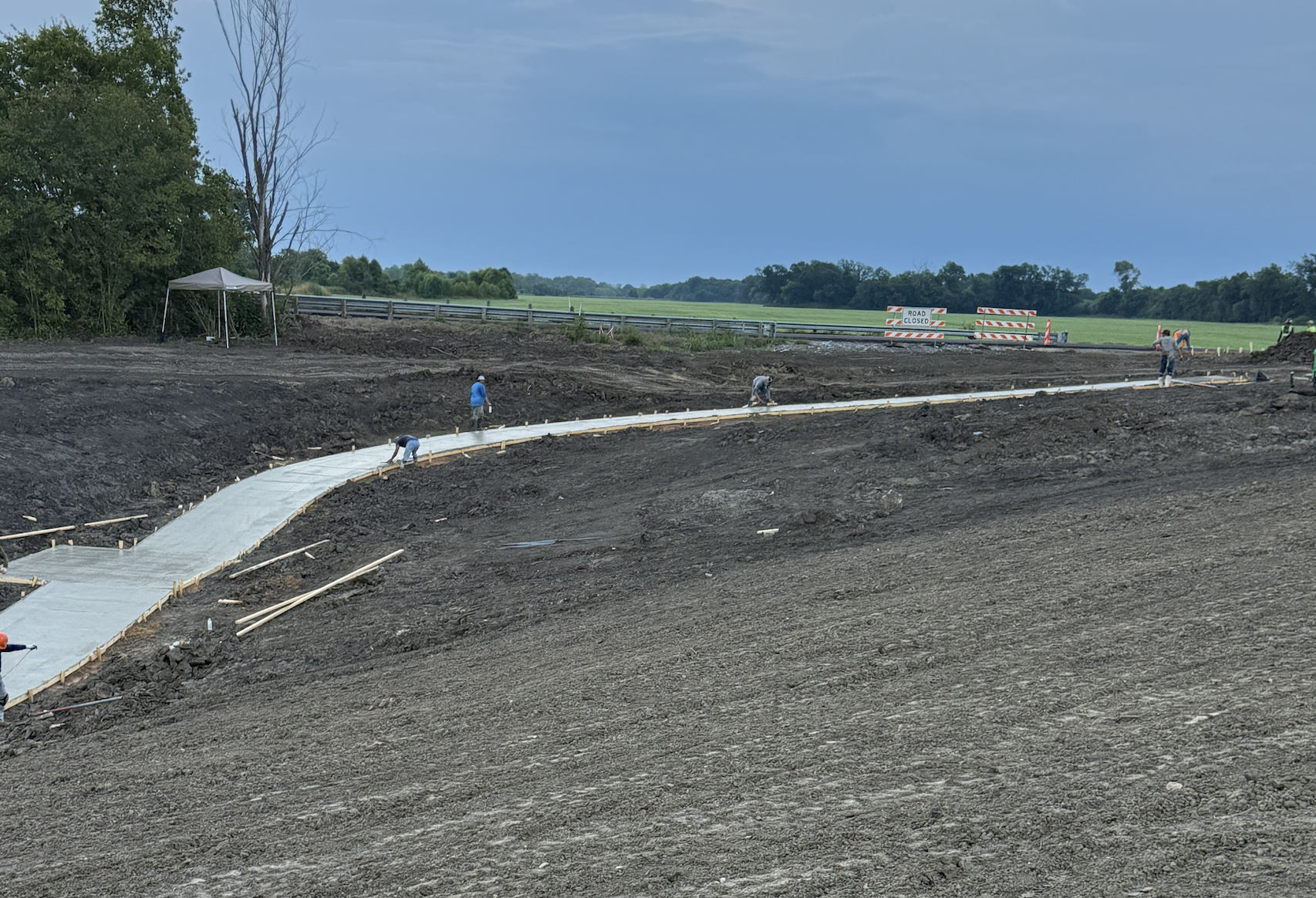
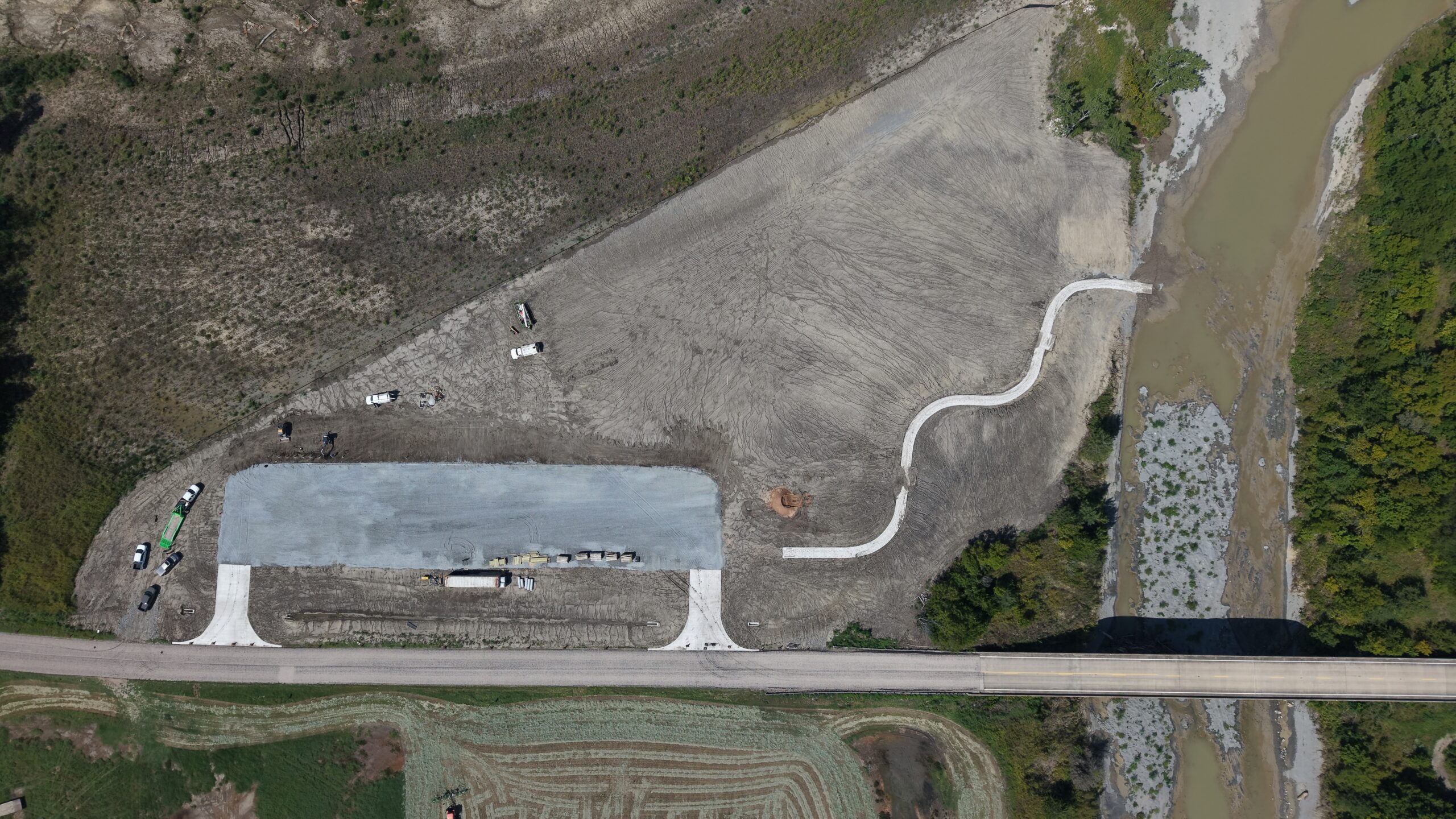
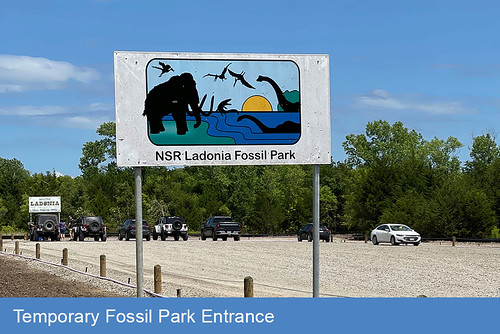
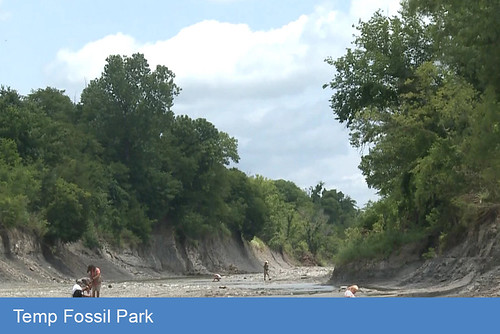

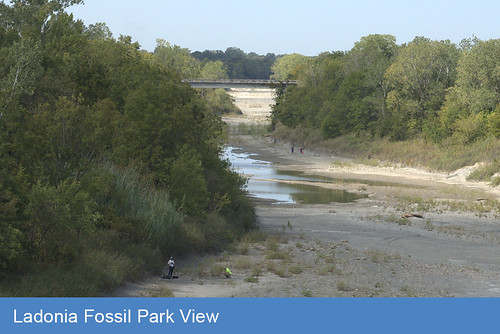
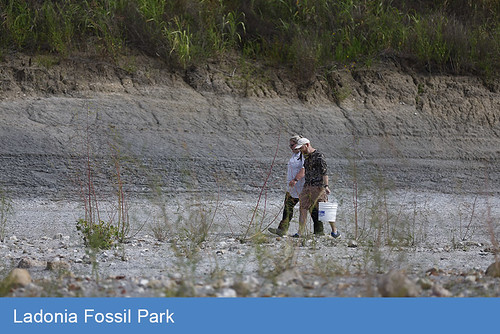
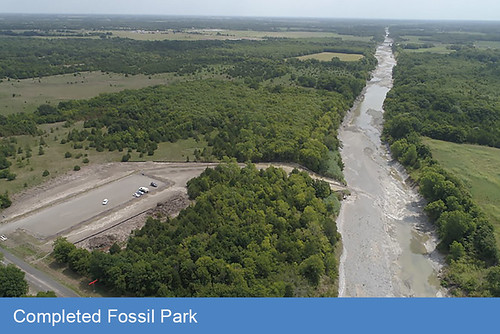

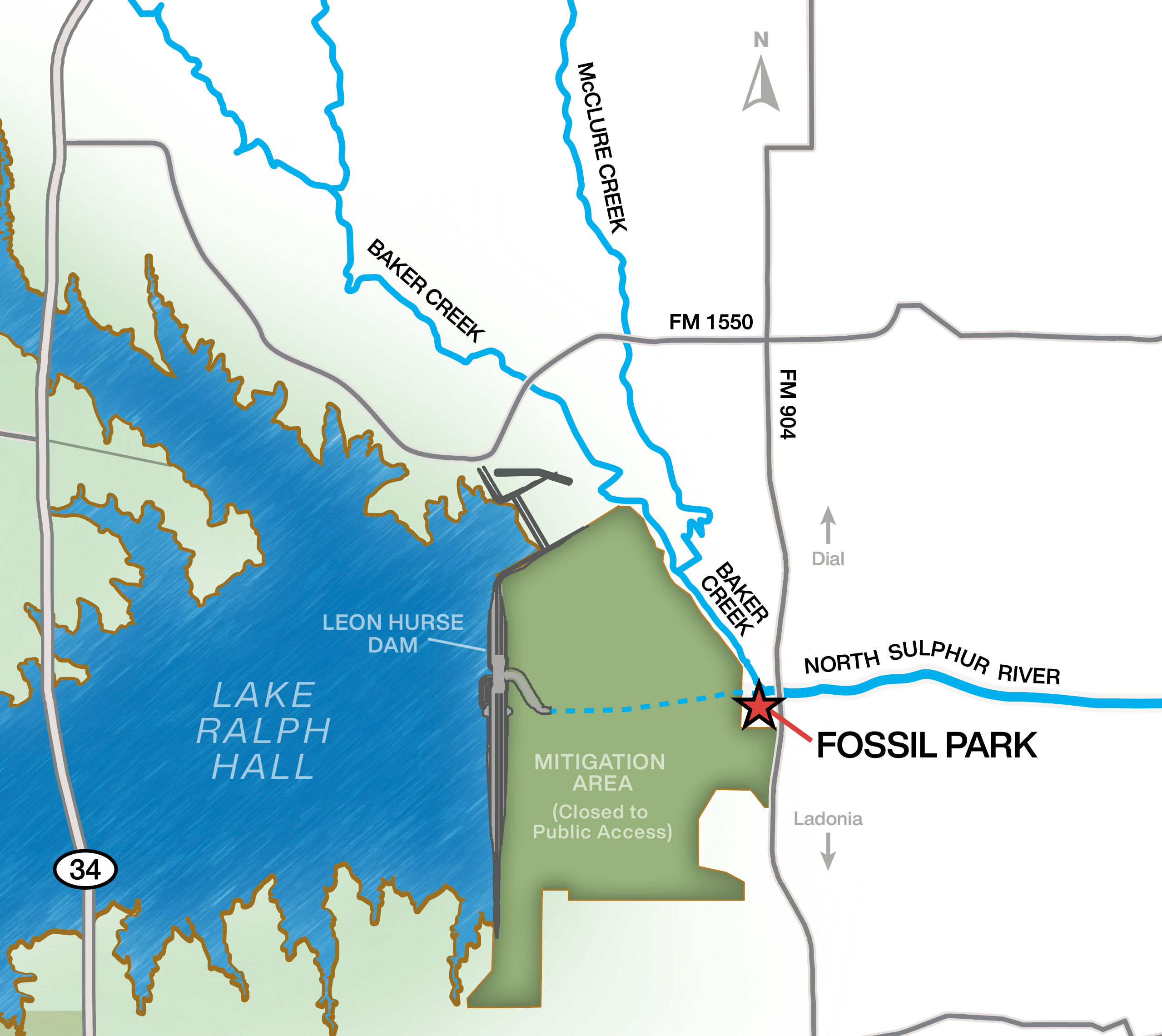
The new park is just downstream of the Leon Hurse Dam, close to where Baker Creek flows into the North Sulphur River. The Baker Creek watershed spans approximately 22 square miles, and both Baker and McClure Creeks will continue to flow naturally into the North Sulphur River, facilitating the discovery of new fossils at the park over time.
Fossil hunters are asked to pack out what they pack in and respect posted guidelines. Fossil hunting is not permitted in the Mitigation Area west of the park. The following map highlights the location of the new Fossil Park and the Mitigation Area.
During periods of heavy rain, additional water may also flow over the Leon Hurse Dam spillway. The Lake Ralph Hall dam doesn’t have movable gates, so water only flows over its spillway and downstream when the lake is full (over the conservation pool level). This means that Upper Trinity doesn’t control these water flows, which will typically happen during heavy rain. Fossil hunters are always recommended to keep an eye on the weather, and hunting during possible flood conditions is never recommended.
Check the Ladonia Fossil Park Facebook page (https://www.facebook.com/groups/739220792768941/) for additional current information on fossil hunting in the Ladonia area.
Fossil Finds
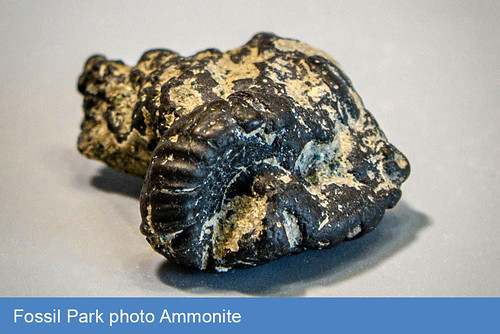
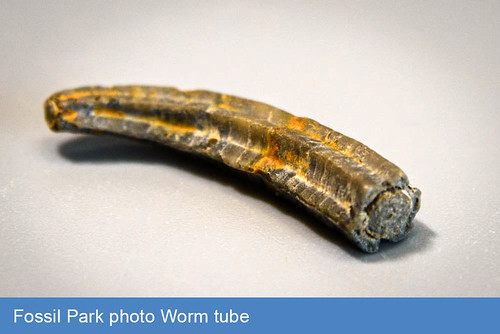
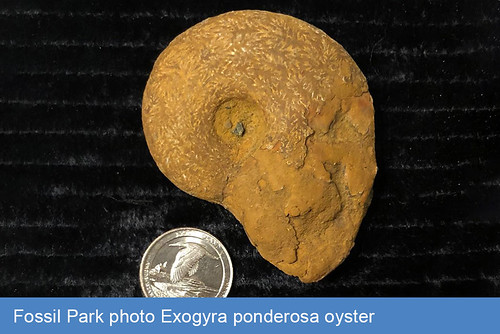
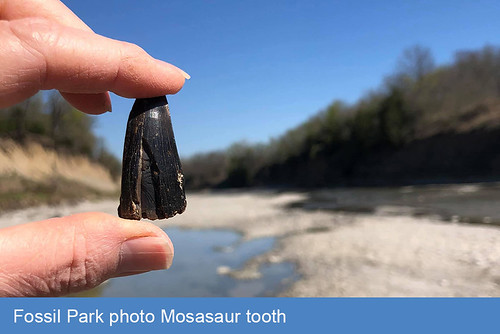
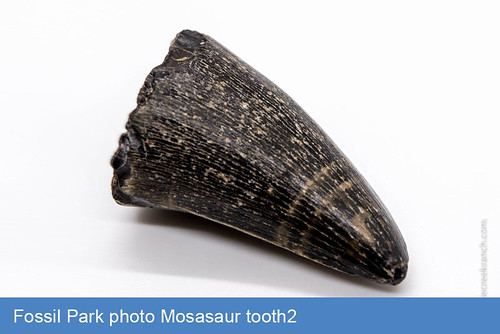
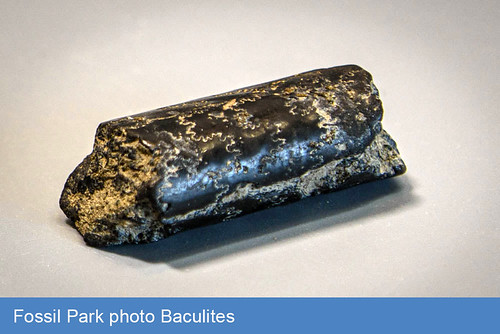
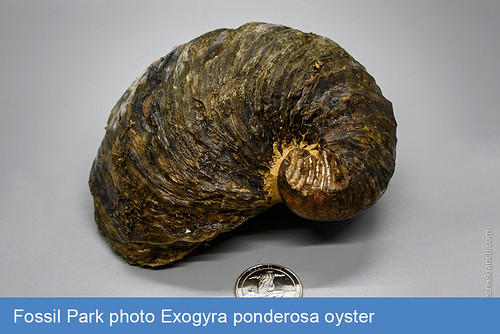


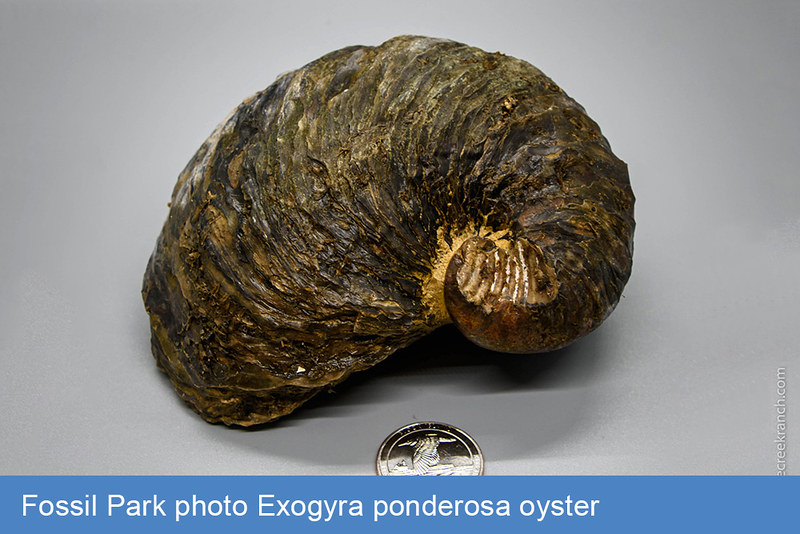
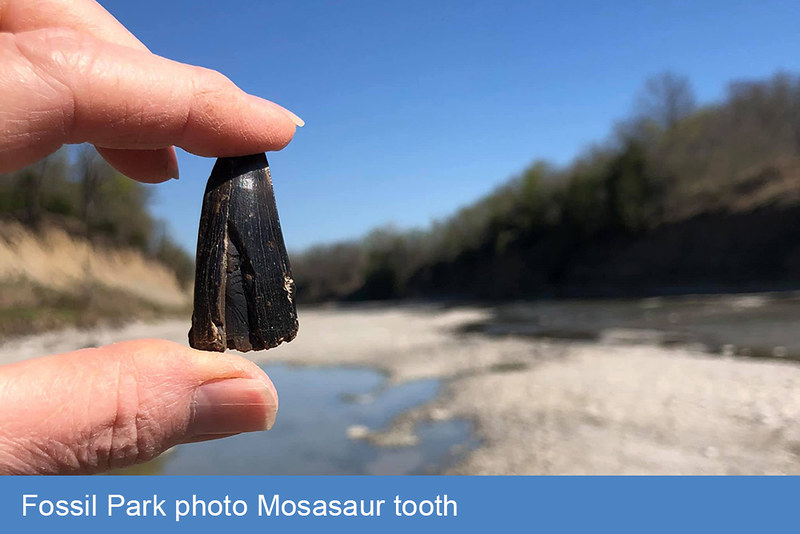

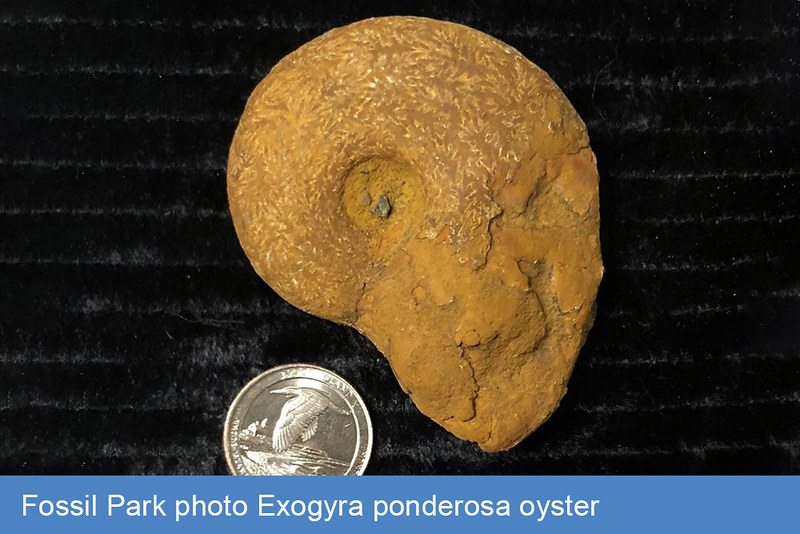

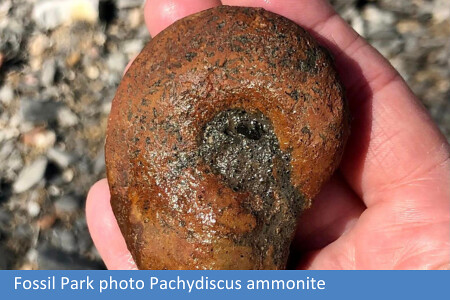
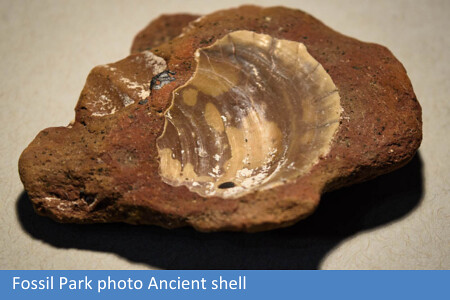
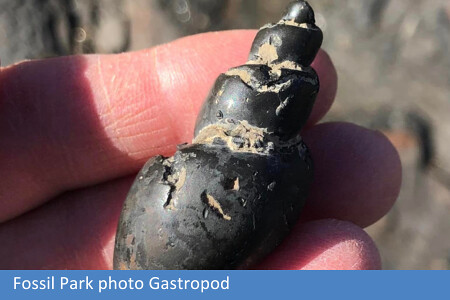
Photos credit: Cheryl L. McClure
Palaeontologic/Archeologic Protocols During Lake Construction
Statement Regarding Archeologic and Palaeontologic Protocols During Construction of Lake Ralph Hall:
For the construction of Lake Ralph Hall in Fannin County, Upper Trinity Regional Water District (UTRWD) operates under a permit with both the US Army Corps of Engineers and the Texas Historical Commission (THC). The permit requires careful handling and study of artifacts, fossils, and archeological items. All contractors working on Lake Ralph Hall job sites are trained on standard operating procedures for when a suspected artifact is detected.
UTRWD has contacted AR Consultants (ARC) to manage and execute handling, studying and recording artifacts and fossils found onsite. ARC is a highly regarded expert in archeology and paleontology and has worked on numerous sites in Texas and nationally. To date, hundreds of archeologists have conducted investigations within Lake Ralph Hall. Crews average about 50 in the field at a time. Findings will be compiled into final reports in compliance with the Texas Administrative Code Chapter 26. Redacted versions protecting site locations will be available to the public once the reports are filed with THC. Artifacts and records related to these studies will be curated in perpetuity at the Center for Archaeological Studies at Texas State University in San Marcos in accordance with the Texas Administrative Code Chapter.
Since the beginning of construction on Lake Ralph Hall, UTRWD has worked with the Perot Museum to identify, extract, and/or study significant fossil finds. This includes the 2022 discovery of a Tylosaurus on a section of the North Sulphur River owned by UTRWD. UTRWD worked with Perot Museum paleontologists to extract the specimen for further study at the museum.
Contact Info
Have questions or want more info?
- Join the “Ladonia Fossil Park” Facebook page for a community with answers about other fossil hunting locations nearby.
- Call the Ladonia Chamber of Commerce at (903) 266-1473.
New Fossil Dig Exhibit at Northeast Texas Children’s Museum
A dedicated Fossil Dig exhibit is available at the Northeast Texas Children’s Museum in Commerce, TX. The exhibit includes a dig box with casts of dinosaur teeth, prehistoric seashells and other dinosaur bones for children to find, as well as an informative wall display. These casts are representative of prehistoric under water sea creatures that lived in North Texas dating back to the Cretaceous period.
Parts of northeast Texas were covered by a sea some 145 to 65million years ago, where giant reptiles and fish lived and hunted. Mighty Mosasaurs, 40-foot-long aquatic reptiles, ruled the deep sea, and Xiphactinus, a 20-foot-long fish that hunted other fish, reptiles and birds, were common sea creatures. The Columbian Mammoth also roamed the plains of North Texas some 420,000 to 11,700 years ago.
Bones from these sea creatures and more recent animals have been found by fossil hunters along the North Sulphur River near Ladonia in southeast Fannin County.
The exhibit provides children the opportunity to “dig” for fossils, similar to visiting the Ladonia Fossil Park. Fossil hunting is an exciting adventure. It’s like stepping into a time machine where you can discover animals and plants that lived on earth thousands to millions of years ago.
Whether you’re a teacher, parent or fossil enthusiast, visiting the exhibit is like taking a time machine to the prehistoric past, to learn about life in North Texas millions of years ago.
The exhibit is sponsored by the Upper Trinity Regional Water District, Lake Ralph Hall, the Perot Museum, City of Ladonia and the Ladonia Chamber of Commerce. For more information about the Fossil Dig exhibit, visit https://netxcm.com/.